Landscaping and Gardening, and How the Two Fit Together in One Yard
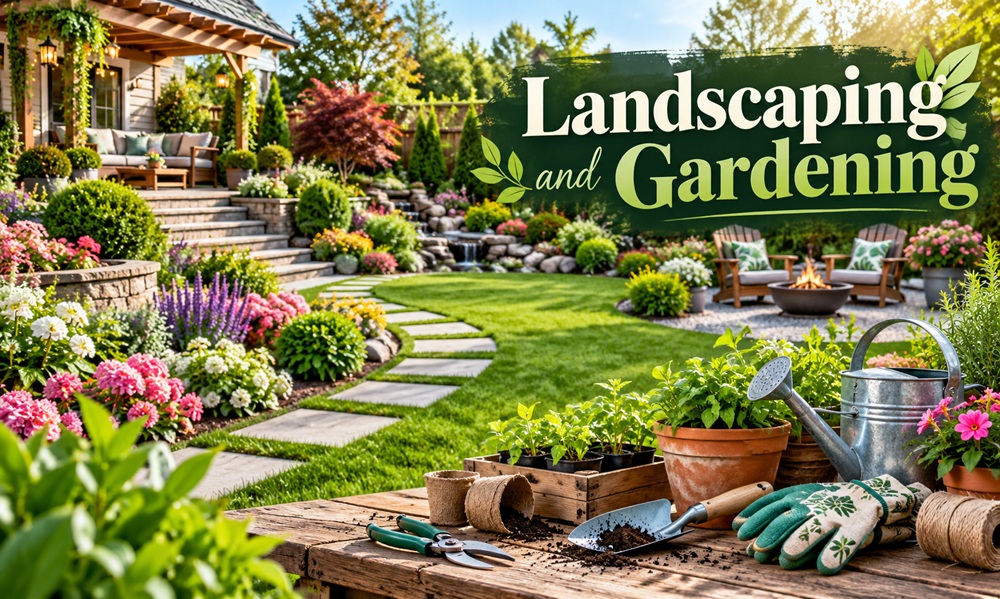
Landscaping is the planning and shaping of an outdoor space. Gardening is the ongoing work of growing plants in it. The two overlap constantly, which is why people use the words interchangeably, but they ask different things of you. Landscaping is mostly about decisions made once and lived with for years. Gardening is about attention, repeated through the seasons.
Understanding that split helps you decide where to spend money, where to spend time, and who to call when a project gets bigger than a weekend.
What Landscaping Actually Covers
A landscape is everything that makes up the outdoor space around a building, and designing one involves far more than plants. Professionals usually think in terms of hardscape and softscape.
Hardscape
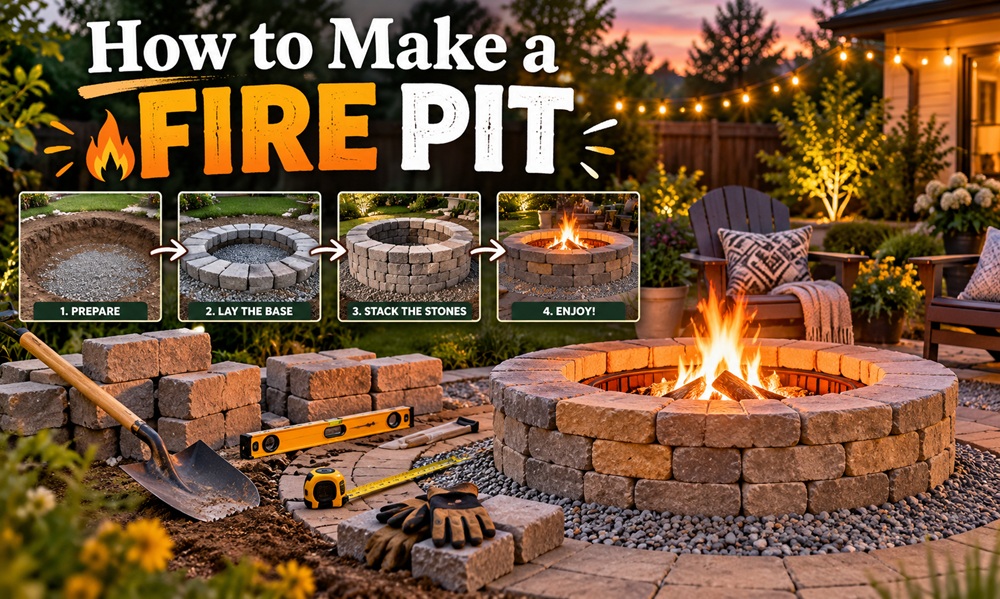
Hardscape covers the non-living parts of a yard. Patios, walkways, retaining walls, fences, steps, driveways, and built-in features such as pergolas all fall here. These pieces set the bones of the space and decide how people move through it. They’re also the most expensive to change later, which is why they deserve the most thought up front.
Softscape
Softscape covers the living elements, meaning lawns, trees, shrubs, perennials, and groundcovers. Good softscape planning considers a plant’s mature size, not just how it looks at the nursery, along with sun exposure, soil, and how much upkeep you’re willing to take on.
Function Beneath the Surface
Some of the most valuable landscape work is invisible. Grading directs rain away from the foundation. Drainage, irrigation, and soil improvement affect whether anything you plant survives. A pretty planting in a yard that floods after every storm won’t last, which is why many designers think about water before they think about flowers.
What Gardening Adds
Gardening is hands-on cultivation. It includes growing vegetables, herbs, cut flowers, and ornamentals, plus the routine care that goes with them, such as watering, feeding, pruning, deadheading, and pest management. Where landscaping sets the stage, gardening is the performance that changes every month.
A garden can sit almost anywhere. It might be a raised bed in a corner, a row of containers on a balcony, or a full vegetable plot behind the garage. It doesn’t need a landscape designer, but it benefits from a yard that offers good light, a nearby water source, and a path you can walk in the rain without sinking to your ankles.
Where the Two Overlap
Most yards need both. A newly landscaped yard needs gardening to mature, because plants must be watered while roots establish and trimmed as they grow. A garden, on the other hand, looks better when the landscape around it has structure. A vegetable bed edged in brick and set along a clear path feels intentional, while the same plants scattered across a lawn feel like an afterthought.
Some practices belong to both worlds. Mulching, composting, choosing native plants, and planting for pollinators are landscape decisions that also shape how a garden performs.
Soil Is Where They Meet
If landscaping and gardening share one concern, it’s the ground itself. Compacted construction fill, heavy clay, and sandy soil that drains too fast all limit what will grow, no matter how good the design looks on paper. A simple soil test through a local extension office or garden center tells you about pH and nutrients, and working in compost before planting improves most soils over time. It’s unglamorous work, but it often decides whether a yard thrives or limps along.
Planning a Yard That Uses Both
Start by watching the space for a full year if you can, or at least for a few weeks at different times of day. Notice where the sun lands in the morning and afternoon, where water pools, and where wind funnels between buildings. Those observations will teach you more than any plant catalog.
Then divide the yard into zones by use. An entertaining zone might call for a patio and seating. A zone for growing food needs six or more hours of direct sun for most vegetables, plus easy access to a hose. A play area, a quiet corner, and a compost spot each have needs of their own. Zones keep the yard from turning into a collection of unrelated projects.
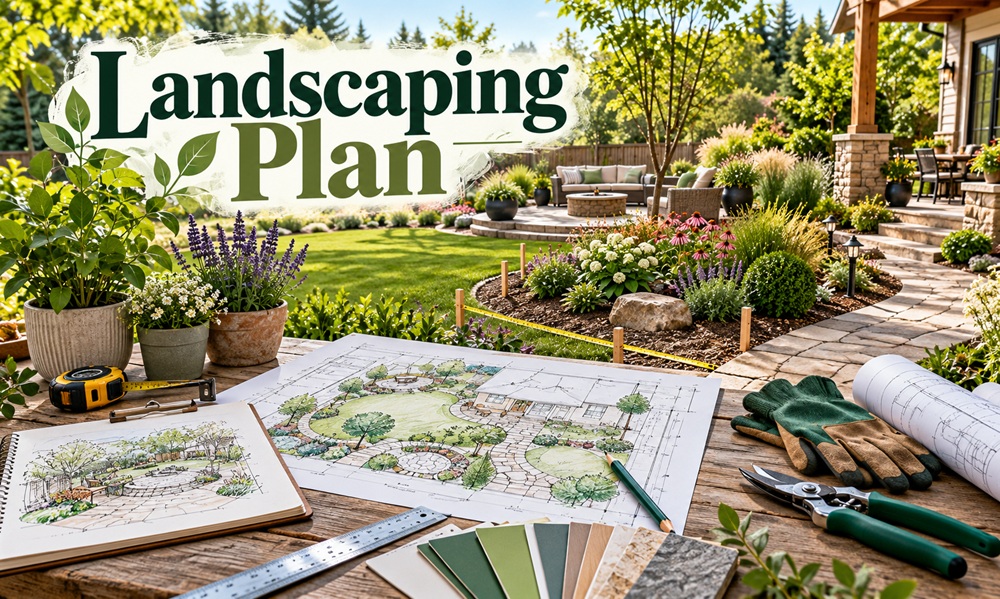
Sketching the plan on paper, even roughly, shows how paths connect the zones and where you might be tempted to cram in too much.
Matching Effort to Your Time
Be honest about how much maintenance you’ll really do. A lawn, a cottage garden, and a vegetable plot each ask for different amounts of work. If weekends are tight, favor shrubs, groundcovers, and perennials that settle in and need little attention. If you enjoy puttering daily, a productive garden will reward you.
When to Hire Help and Who to Call
Plenty of landscaping and gardening makes a fine do-it-yourself project. Planting beds, building raised beds, laying mulch, and setting simple stepping stones are manageable with basic tools.
Larger jobs are different. Taller retaining walls, major grading, drainage corrections, electrical lighting, and anything near utilities or property lines may require permits or specialist skills, and local rules vary. A landscape designer can create a full plan, a landscape contractor builds hardscape and installs plantings, and a certified arborist is the right person for large or hazardous trees. Before any serious digging, contact your local utility-locating service. In the United States that means calling 811, and the service is free.
Ask contractors about licenses and insurance where your area requires them, and gather more than one written quote so you can compare what’s actually included.
A Year in the Yard
A seasonal rhythm helps you stay ahead of the work instead of chasing it.
Spring
Clean up winter debris, test or amend the soil, prune what needs pruning, and plant once the danger of frost has passed in your area. This is the busiest stretch for most gardeners.
Summer
Watering and weeding take priority. Deep, less frequent watering encourages deeper roots than a quick daily sprinkle, and mulch helps hold moisture through the heat.
Fall
In many regions, fall is excellent for planting trees, shrubs, and perennials because the soil is still warm while the air is cooling. It’s also the time to divide crowded perennials and tuck in bulbs for spring.
Winter
Rest, plan, and look after your tools. Some pruning is best done while plants are dormant, though timing varies by species. Winter is also a good moment to order seeds and sketch changes for the coming year.
Mistakes That Cost Time and Money
Planting without knowing the mature size is among the most common errors. A small shrub placed a foot from a wall can become a large problem in a few years. Choosing plants for looks without matching them to sun and soil comes next, and it leads to sickly plants and endless replacement. Skipping soil preparation hurts too, since most plants do better in soil that drains well and contains organic matter.
Overbuilding hardscape before you understand how you use the yard is another trap. A huge patio that nobody sits on is just a hot slab.
Finally, trying to do everything in a single season often ends in burnout. Landscapes are built in phases, and gardens grow into themselves over several years.
Starting Where You Are
You don’t need a master plan to begin. Pick one corner, make it work well for the way you live, and let the next project build on it. Landscaping gives the yard its shape, gardening keeps it alive, and the best outdoor spaces usually come from doing a little of each, patiently.